
What Is IP Spoofing?
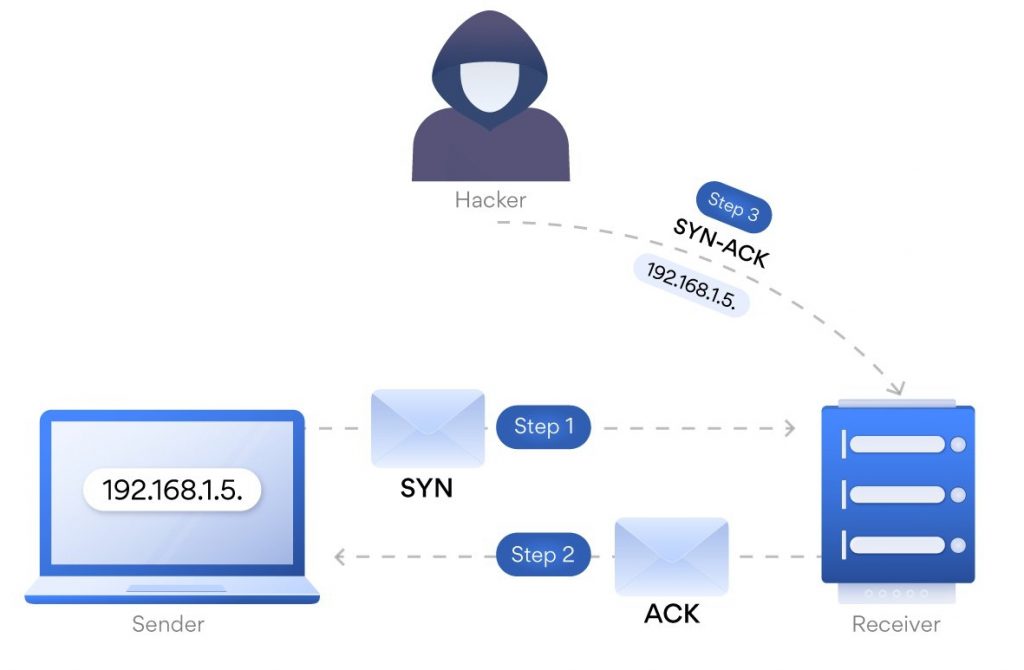
Internet protocol (IP) packets with a fake source and destination IP addresses, for the sole purpose of impersonating a completely different computing device. The IP packets that are created by an IP spoofer are then delivered to the intended recipient through the normal means. This technique is used by several hackers and security researchers as a method of defrauding online banking sites and other types of financial institutions. IP spoofers have also been used by spammers to generate massive amounts of junk traffic to target websites.
One of the most common internet protocol spoofer tools is known as a proxy server. These types of servers act as intermediaries between the client and the Internet, allowing a client to browse the web without being subjected to the restrictions imposed by the network routers. Some of the most common types of these types of servers are found on the internet in the form of free-email, web pages, social networking, and other types of software applications.
Other forms of IP spoofers exist and can be found on the World Wide Web. For example, the popular Web surfer “doxx” has created several fake profiles on various social networking and web sites to gain information on people by their email addresses, such as the social networks such as Facebook, MySpace, and Twitter.
IP spoofing also takes place within the corporate world, in the form of fake emails sent to employees, customers, and customers as well. This is done by sending forged or spoofed email messages in an attempt to obtain customer information. Some of the most commonly spoofed email programs include spam, junk mail, phishing, spam filters, spyware, and web worms.
Although spoofing of email messages is often done with malicious intent, some companies will use this tool in order to improve their online presence or to promote their products. For example, some businesses use IP spoofers in order to attract new customers or to advertise their products through email. It can also be used in spamming a competitor’s website and trying to fool users into buying a product from a different company, which would mean more profits for the shooter.
In order to detect if a user is using a spoofed IP, the email address is recorded in the IP header, which can easily be retrieved through an IP tracing tool. Such software will display the IP address in a graphical format. This can be easily determined by someone using an IP spoofing software program.
IP spoofers will sometimes even create a “distributed spoof address” that is used in conjunction with other spoofing techniques to make it more difficult for the owner of a domain name or email address to be able to track the spoofed user on the Internet. Spoofing software is typically programmed to not only capture the IP address of a user but also the IP of the server the user is connecting to when accessing the Internet. The more people a site tries to contact at once, the more difficult it becomes to trace the identity of the user.
Using IP spoofers is not always illegal, although many countries are cracking down on IP spoofers because they believe they may be harmful to the network. There have been some successful cases where web site operators or webmasters were successfully prosecuted for misuse of IP spoofers.
Many people believe IP spoofing is nothing more than an annoyance for some of the large corporations. However, there are some small websites and blogs that rely on email marketing, such as blogs and online news sites, that rely heavily on spoofing to attract more traffic to their sites. Without an email address, a blog owner cannot verify who is actually writing the emails he or she has received, so they need to rely on IP spoofing to identify their users.
When you use email spoofing to increase the number of emails that go through your inbox or on to your website, you can increase the number of hits that your Internet site receives. It will also increase your chances of converting email addresses into sales. by making it harder to be tracked back to your web host server. This is especially helpful when it comes to email marketing and advertising campaigns, such as with affiliate programs and e-mail newsletters.
Because of these benefits, IP spoofing is becoming increasingly popular on the Internet. While some people view this practice as annoying, others view it as a necessary evil, like spamming. For those in the latter category, it could be a way to fight online spam and get around the laws that govern this type of activity.

Recent Comments